
McKinney, TX Water Heater: Why Hot Water Is Slow
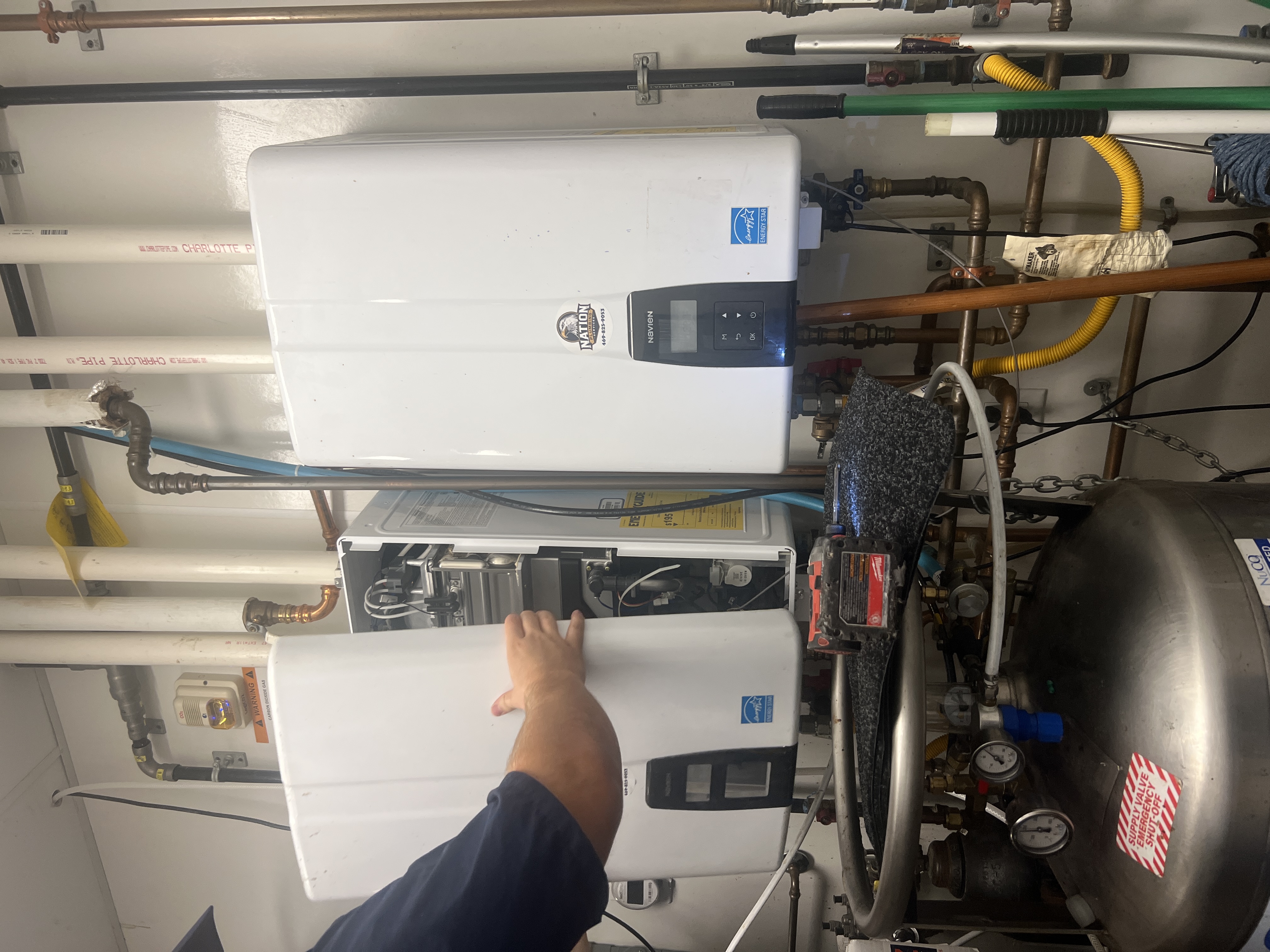
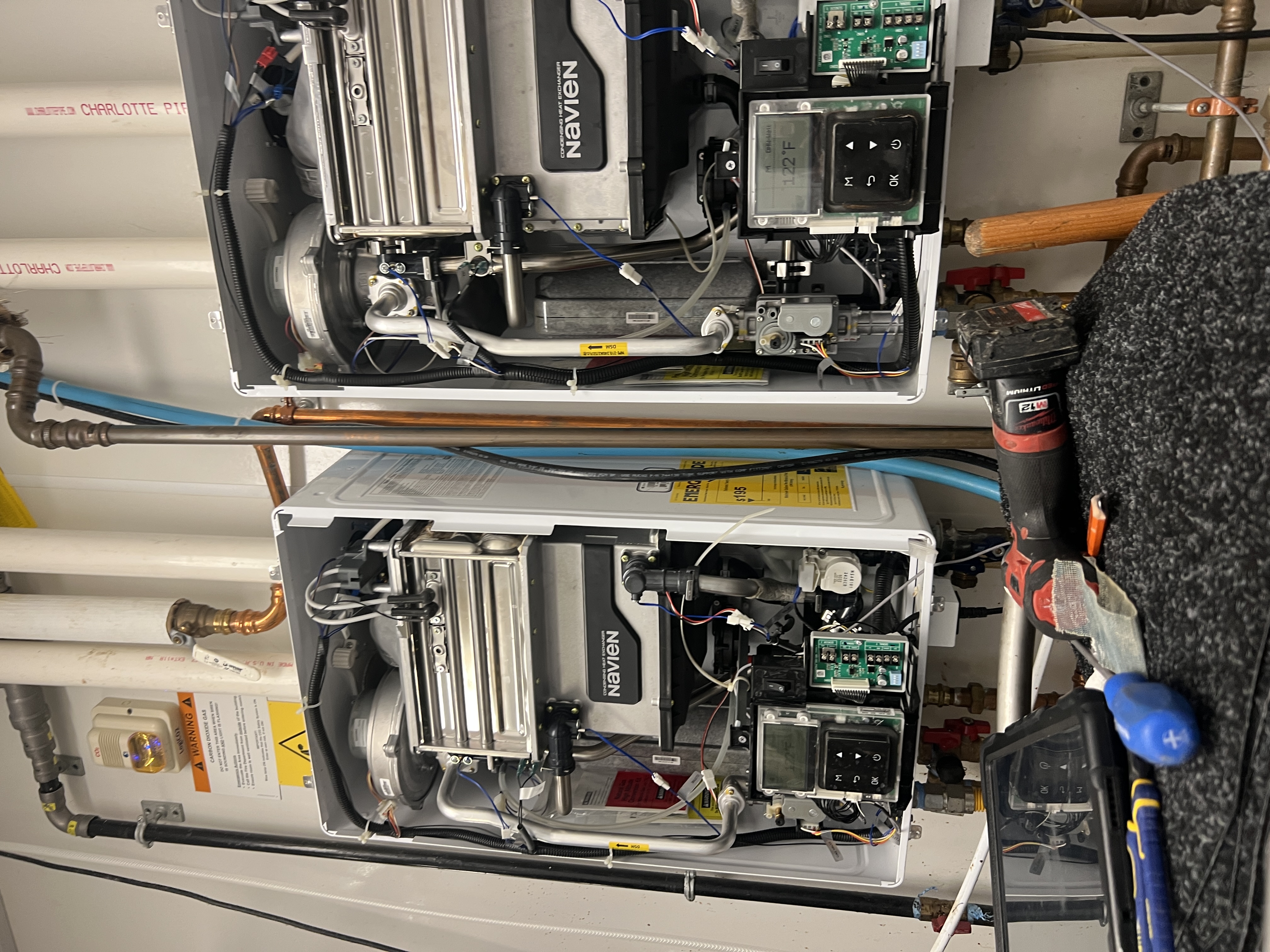
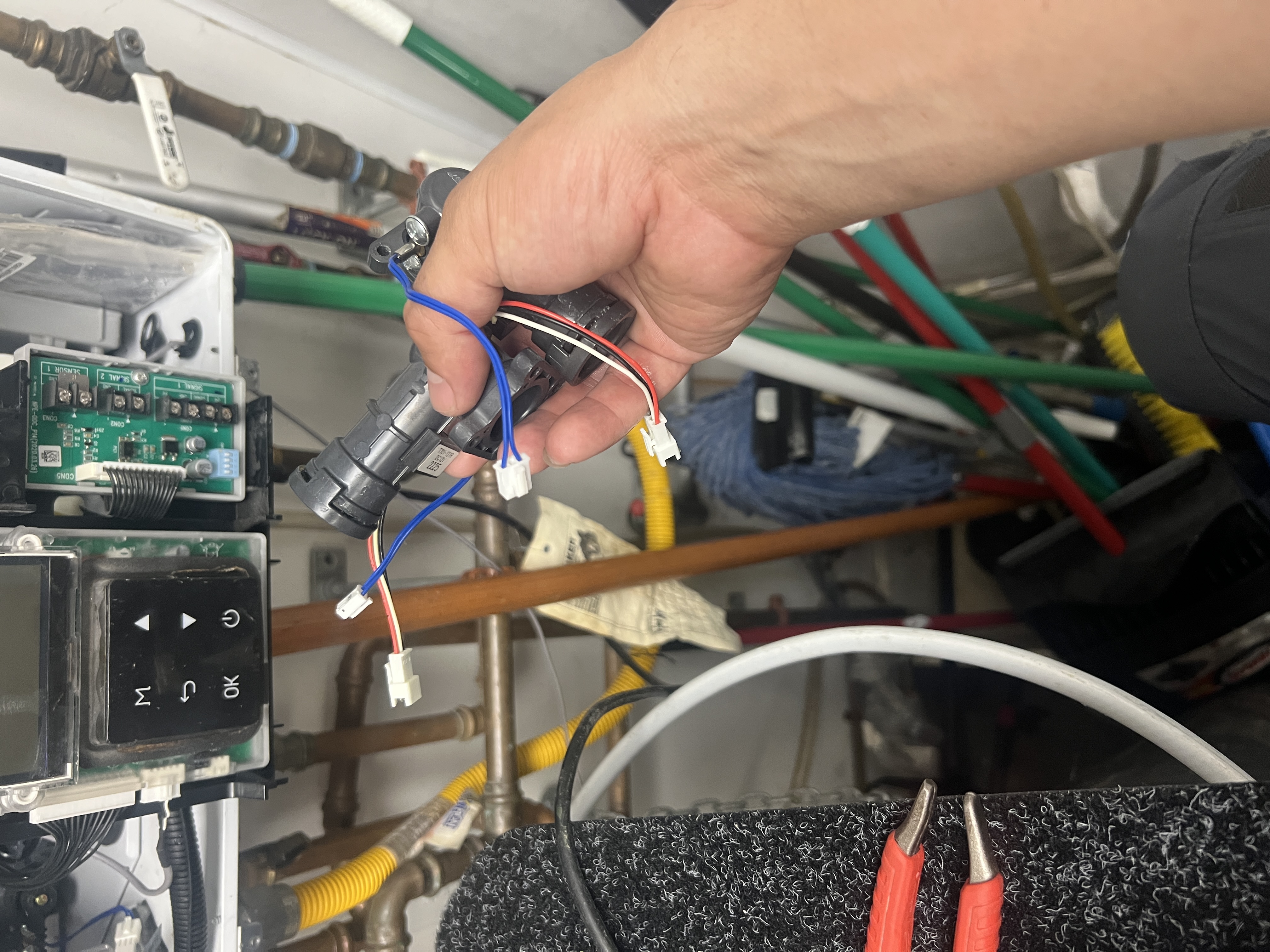

Slow hot water can ruin a morning in McKinney, TX. If you searched for help and found this page, you likely want answers fast. This guide explains why your water heater is slow to deliver hot water, how to fix it, and when to replace. We cover tank and tankless systems, plus simple steps you can try now. Ask about our Friends & Family Membership for 10% off service.
Why Your Hot Water Is Slow: Quick Diagnosis
Hot water delays come from three main buckets.
-
Water heater performance issues • Sediment buildup, aging parts, wrong thermostat setting, failed elements or burners.
-
Plumbing layout and flow • Long pipe runs, low flow fixtures, small recirculation lines, heat loss on uninsulated pipes.
-
System type and controls • Tankless units can lag before ignition and flow thresholds must be met. Older tanks may reheat slowly.
Start with a simple check: set the thermostat to 120°F, run a nearby faucet on full hot for 2 minutes, then feel the pipe near the heater. If the pipe gets hot quickly yet distant taps are slow, your issue is likely the plumbing run, not the heater.
“No more cold showers for us! They replaced my water heater with no hassles.”
How Long Should It Take for Hot Water to Arrive?
In a typical home, hot water at a fixture 20 to 40 feet from a healthy tank arrives in 10 to 30 seconds. Longer than a minute often signals extra pipe length, low flow aerators, sediment-choked lines, or a water heater that is undersized, set too low, or struggling to recover. In multi-story homes, expect longer waits due to vertical runs and cooling in attic or garage lines.
“Rise Plumbing did an amazing job replacing my water heater. Can’t wait to try out our new water heater.”
Common Causes in McKinney, TX Homes
North Texas has mineral content that encourages scale buildup. Sediment settles at the bottom of tank heaters and acts like insulation that slows heating. Many McKinney garages get hot in summer and cold in winter, so uninsulated hot lines lose heat before water reaches the tap. Homes with the water heater at one end and bathrooms at the other will wait longer unless a recirculation solution is installed. Annual flushing and pipe insulation help a lot.
“Alfonso came quickly after our hot water heater burst and replaced it.”
Sediment Buildup and Aging Tanks
Sediment is the most common speed killer in tank heaters. Grit collects at the bottom where the burner or element heats, so more energy is wasted before water reaches setpoint. Symptoms include rumbling sounds, lukewarm water, and longer waits.
What to do now
- Flush the tank to remove silt. This restores efficiency and cuts wait time.
- Check the anode rod. A spent anode accelerates corrosion and debris.
- Insulate older tanks and hot water lines to reduce heat loss.
Professional maintenance checklist
- Inspect anode rod and dip tube
- Check thermostat accuracy and T&P valve
- Verify gas or electrical connections
“They were thorough, answered my questions, and did a good job. Competitive cost.”
Dip Tube Failures and Thermostat Settings
The dip tube directs cold incoming water to the bottom of a tank. If it cracks or falls apart, cold water mixes at the top and you get long delays and fast temperature drop. Plastic flakes in aerators can be a clue. Thermostat issues also cause slow heat. If the control is inaccurate or set below 120°F, recovery is slow and distant taps cool off in the lines.
Simple checks you can try
- Verify 120°F on the control. Higher settings risk scalds and extra energy use.
- Run two hot taps. If water cools quickly, suspect dip tube or element trouble.
- Clean faucet aerators if flow is weak.
Tankless Lag and Recirculation Options in Collin County
Tankless heaters provide on-demand heat, but ignition takes a moment and most units need a minimum flow to fire. If your faucet is barely open, the heater may not start, so warm water crawls. Cold water in the line must still clear before you feel heat at distant taps.
Ways to reduce tankless lag
- Add a dedicated recirculation pump with a return line.
- Use on-demand recirculation controls near key fixtures.
- Insulate hot lines and set smart schedules to avoid running constantly.
Professional tip: Some retrofits use a crossover valve under a sink to recirculate through the cold line. It is convenient but can make the cold tap feel warm for a moment. We will explain pros and cons during an estimate.
Plumbing Layout: Long Runs, Low Flow, and Fixtures
If the water heater is in the garage and the primary bath is on the far side of the home, that is a long wait by design. Low flow aerators and showerheads extend the delay because they move less water per second.
What helps right away
- Run the hot fully open for 15 to 20 seconds to clear the line, then adjust.
- Upgrade to a smart recirculation system serving your longest run.
- Insulate attic and garage hot lines to keep water hotter between uses.
Code and warranty reminder: DIY changes to gas, plumbing, or electrical can violate codes and void warranties. Professional installation protects safety and compliance.
Gas vs Electric: Ignition, Elements, and Efficiency
Gas tanks heat fast when burners and flues are clean. Slow water can come from a weak flame, dirty burner, or a failing gas valve. Electric tanks have one or two elements. If an element fails or a thermostat sticks, recovery slows and hot water runs out.
Checklist we use on service calls
- Verify gas pressure, burner cleanliness, and proper venting
- Test upper and lower elements and thermostats on electric units
- Confirm T&P valve function and inspect for corrosion at fittings
Energy savers you can keep
- Set temperature to 120°F
- Flush sediment annually
- Insulate older tanks and exposed piping
McKinney, TX Options to Speed Up Hot Water Delivery
Homeowners have several proven choices. The right one depends on layout and budget.
-
Annual maintenance for tanks • Flush, anode check, T&P test, thermostat verify. Often the single best fix for slow hot water due to sediment.
-
Pipe insulation • In North Texas attics and garages, insulation cuts heat loss that makes water feel slow.
-
Point-of-use upgrades • Add a small under-sink electric heater at a distant bath to eliminate the wait.
-
Recirculation solutions • Dedicated return line or crossover-style retrofit. Timers or smart controls reduce wasted run time.
-
Right-size replacement • If your family or fixtures outgrew the tank, consider a larger tank or a properly sized tankless.
Hard fact: Most water heater installations take 2 to 4 hours, depending on type and the home’s plumbing setup. Tankless installs can require electrical or gas line adjustments, which we handle to code.
Mid-article help: Call 469-825-9053 or visit https://www.nationplumbingservices.com/ for a same-day diagnosis. Ask about 10% off with our Friends & Family Membership.
When Repair Makes Sense and When to Replace
Repair is smart when the tank is fairly young, the issue is isolated, and the glass liner is intact. Common repair wins include thermostat replacement, element replacement, burner cleaning, or a new dip tube. Replacement is smart when the tank is over 10 years old, there is rust at seams, or leaks are active. Frequent sediment rumble and slow recovery after service also point to replacement.
What we check before advising a replacement
- Age and condition of tank or heat exchanger
- Recovery time after a flush and thermostat test
- Family size, fixtures, and peak demand compared with current capacity
Preventive Maintenance That Keeps Hot Water Fast
A well-maintained system heats quicker and delivers more consistently.
Our annual maintenance includes
- Checking the anode rod
- Flushing the tank to remove silt
- Checking the thermostat and verifying burn or element performance
- Inspecting the T&P valve
- Verifying safe electrical or gas connections
Extra homeowner steps
- Insulate exposed hot water lines, especially in attics and garages
- Set temperature to 120°F
- Replace worn aerators and showerheads for proper flow
Choosing Tank vs Tankless for Faster Delivery in McKinney, TX
Tank units can deliver near-instant hot water to nearby fixtures when healthy and maintained. Tankless saves energy by heating on demand, but can add a small ignition delay and is sensitive to minimum flow. In large McKinney homes with long runs, pairing a tankless with a smart recirculation loop often gives the fastest real-world delivery. We will design to your layout and daily patterns.
Special Offer
Special Offer: 10% off water heater service with our Friends & Family Membership. Join for just $14.99/month or $159/year. Includes a free annual inspection and priority scheduling. Offer available now and currently listed through October 7, 2026. Mention the Friends & Family Membership when you call to redeem.
Frequently Asked Questions
How long should I wait for hot water at a typical bathroom sink?
Most sinks within 20 to 40 feet of a healthy tank get hot in 10 to 30 seconds. Long waits over a minute often mean long pipe runs, low flow aerators, or a struggling water heater.
What temperature should my water heater be set to?
120°F is a widely recommended setting. It balances comfort, reduces scald risk, and saves energy. Verify with a thermometer at a tap if your control is inaccurate.
Will a recirculation pump fix slow hot water everywhere?
A dedicated return-line system gives the most consistent results. Crossover retrofits help distant fixtures but may make the cold tap briefly warm. Smart timers limit runtime.
How often should I flush my tank water heater in North Texas?
Annually is a good target. Sediment is common here and slows heating. A yearly flush, anode inspection, and T&P valve check keep recovery times fast and extend life.
Do I need permits or a pro for a water heater replacement?
Yes in most cases. Gas, plumbing, and electrical codes apply, and improper install risks safety and warranty. Professional installation keeps your system compliant and covered.
Conclusion
Slow hot water has clear causes and proven fixes. From a 120°F reset and a simple flush to smart recirculation or right-sized replacement, you have options that work for McKinney, TX homes. For fast help today, call 469-825-9053 or schedule at https://www.nationplumbingservices.com/. Ask about 10% off with our Friends & Family Membership. We proudly serve McKinney, Dallas, Plano, Frisco, Garland, and nearby communities.
Ready to Get Hot Water Fast?
Speak with a local pro who knows North Texas layouts, codes, and water conditions. Call 469-825-9053 or book at https://www.nationplumbingservices.com/. Priority slots are available today with our Friends & Family Membership for 10% off and a free annual inspection.
About Nation Plumbing Services
Nation Plumbing Services is owner-led and local, serving McKinney, Dallas, Plano, Frisco, Garland, and nearby communities. We bring 15+ years of combined experience, transparent pricing, and clear communication from the owner. We handle water heater repair, replacement, tankless installs, and annual maintenance. Emergency plumbing is available across DFW. Strong local reviews back our fast, high quality work.
Sources9
Source links open in a new tab.
- Premium whole house system with large media tank and pre-filter: 2,500 to 4,500 installednationplumbingservices.com (opens in a new tab)
- Happy comment by Vanessa Berrygoogle.com (opens in a new tab)
- Happy comment by Marybell Salinasgoogle.com (opens in a new tab)
- Happy comment by Luis Dominguezgoogle.com (opens in a new tab)
- Happy comment by Alia Bidgoodgoogle.com (opens in a new tab)
- Plumbing in Dallas-Fort Worth-Arlington | Nation Plumbing Servicesnationplumbingservices.com (opens in a new tab)
- Carrollton, TX Water Heater Leak? Call Local Plumbers | Nation Plumbing Servicesnationplumbingservices.com (opens in a new tab)
- Water Heater in Greater Terrell Area | Rise Plumbing Systemsnationplumbingservices.com (opens in a new tab)
- University Park, TX Water Filtration Tips — Plumbing Care | Nation Plumbing Servicesnationplumbingservices.com (opens in a new tab)