
Hurst TX Water Heater Installation — Safe Plumbing Tips
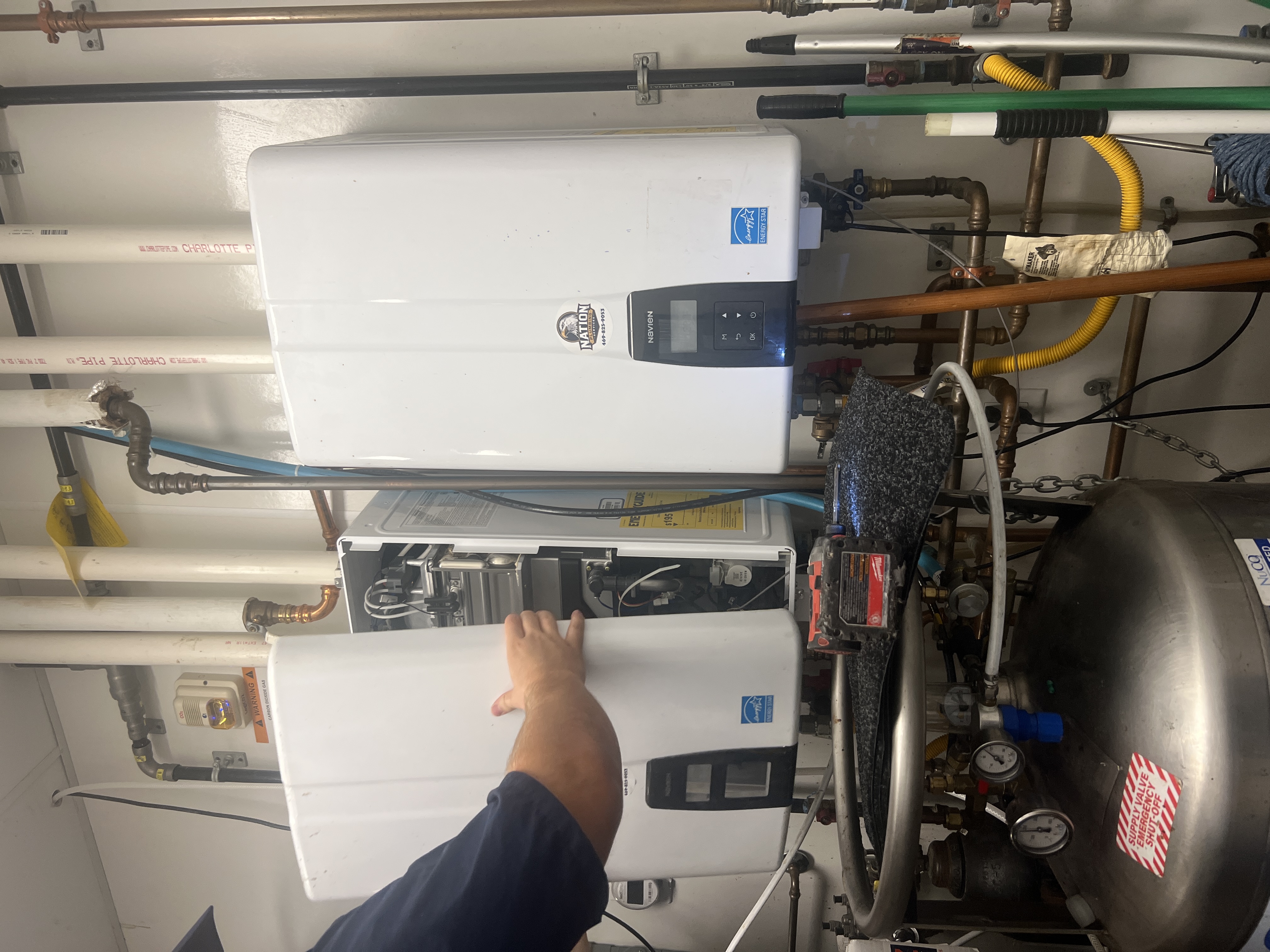
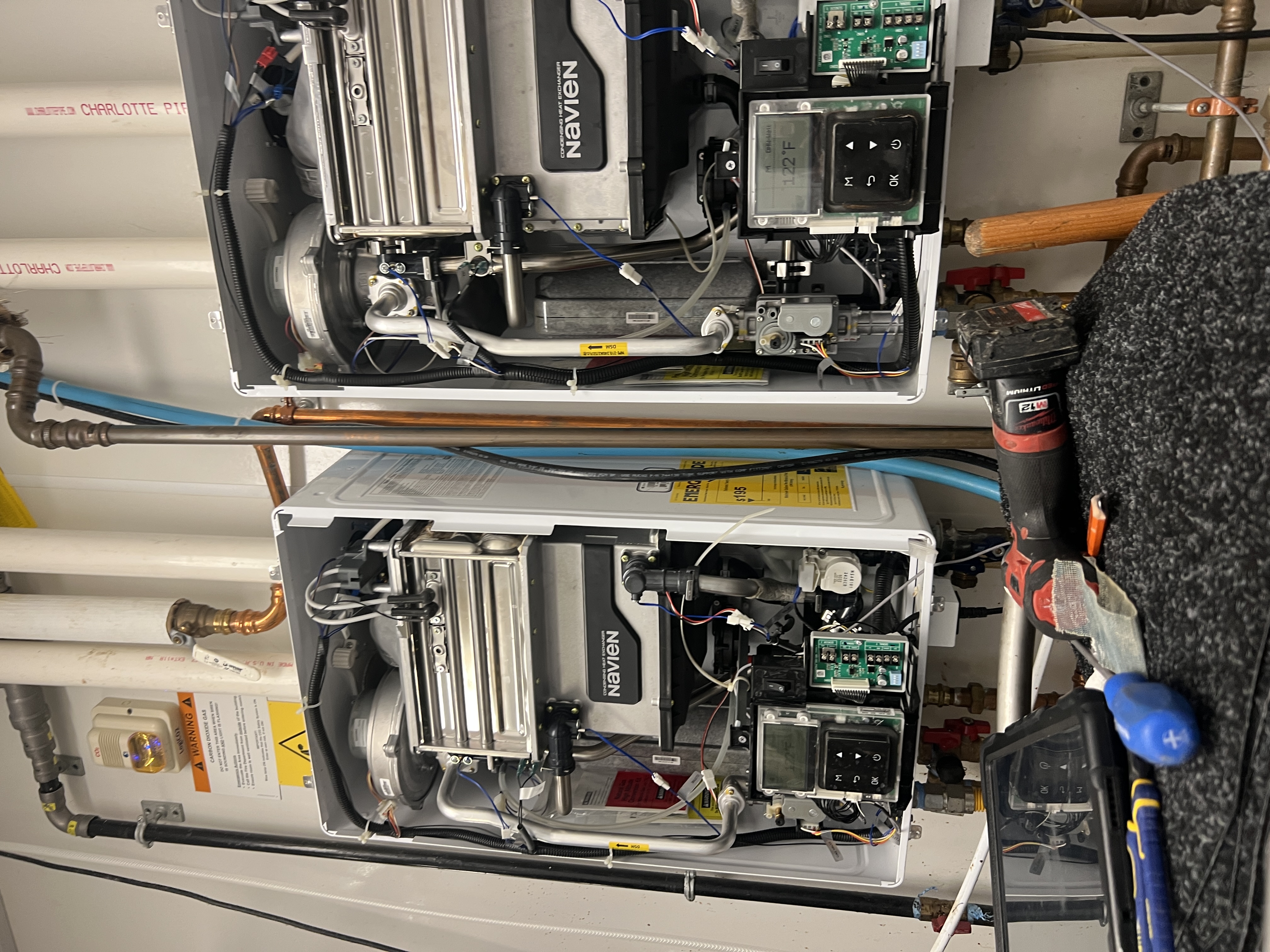
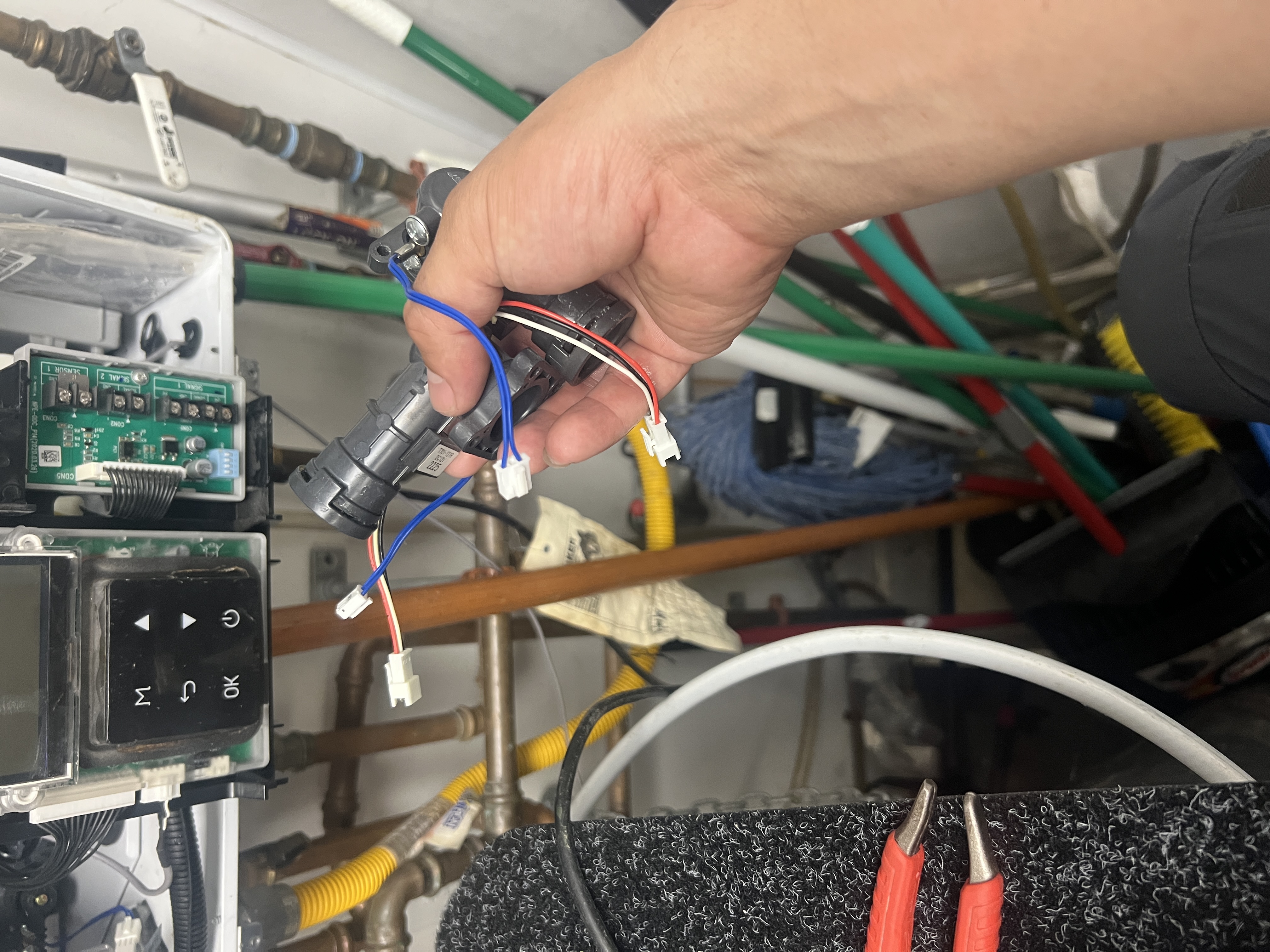

Cold showers and water damage are nobody’s plan. If you’re considering water heater installation in Hurst, TX, here’s how to do it safely, meet code, and avoid costly rework. Below you’ll find clear tips on permits, venting, T&P valves, expansion tanks, and scale control, plus when it’s smarter to call a licensed pro. Members can also save on water‑heater service through our Friends & Family Club.
Start Here: Safe Water Heater Installation Basics
Installing a water heater is more than swapping tanks. Safety starts with shutting off gas or electricity at the breaker, closing the water supply, and verifying there is no backfeed. Label the hot and cold lines before removal. Use drip protection and floor covers to prevent damage during drain‑down.
Match the new heater to your home’s demand. Size by first‑hour rating for tanks and flow rate for tankless. Confirm supply gas line and venting size match the manufacturer’s specs. Never reuse a corroded flex connector. Replace worn shutoff valves and dielectric unions to prevent galvanic corrosion.
Before startup, fill the tank completely and purge air. For gas units, test every joint with an approved leak‑detection solution. For electric, confirm 240‑volt circuits are properly sized and grounded. Set the thermostat to 120°F to reduce scald risk and energy use.
Choose Tank vs. Tankless: Capacity, Recovery, and Space
Tank water heaters store hot water and recover as they heat. They’re straightforward to install, can be cost‑effective up front, and work well when sized to household peak demand. Look at the first‑hour rating to match morning showers, laundry, and dish cycles.
Tankless systems heat on demand. They save space, can reduce standby losses, and offer long, continuous hot water within their flow limits. Sizing focuses on gallons per minute at your winter inlet temperature, plus gas input or electrical capacity. Many homes need a dedicated gas line upgrade or electrical circuit for tankless.
Consider venting and condensate. High‑efficiency gas units and most tankless models create condensate that needs a neutralizer and a safe drain path. If headroom is tight or there are long vent runs with elbows, plan for manufacturer‑approved materials and slope.
Permits, Codes, and When to Hire a Pro in Hurst, TX
Water heater work touches fuel, water, venting, and sometimes structural supports. That is why local permits and final inspections are typically required. A licensed plumber ensures the installation meets the International Plumbing Code as adopted locally and any utility requirements. This protects your warranty and your home insurance.
Expect seismic strapping if required by location of the unit, proper combustion air for gas units, and approved vent terminations. Storage heaters in garages often need an elevated stand to reduce ignition risk and a protected drain pan with a routed drain line. If your heater is in an attic or interior closet, code‑approved pans and drains help prevent ceiling damage.
If you are converting from tank to tankless, permits will verify gas line sizing, vent materials, and condensate disposal. A professional will size these elements to manufacturer tables and local code.
Gas, Electric, or Hybrid: Fuel and Venting Safety
Gas models need correct gas pressure, a drip leg, and leak‑free unions. Use double‑wall B‑vent or manufacturer‑specified Category III or IV venting, sloped back to the unit where required. Terminate outside with clearances from windows and soffits per the manual. Provide combustion air using louvered doors or dedicated ducts when the closet is tight.
Electric models require a properly sized breaker and conductor gauge. Many 50‑gallon heaters need a 240‑volt, 30‑amp circuit. Always verify the nameplate. Bonding and grounding must be intact. Use listed connectors and a junction box cover.
Hybrid heat‑pump units remove heat from surrounding air. Plan for condensate drains and enough room to move air. If placed in small closets, they may need ducting to adjacent spaces.
Protect Your Home: T&P Valve, Expansion Tanks, and Drain Pans
The temperature and pressure relief (T&P) valve is a critical safety device. Install it directly in the designated port without extensions. Route the discharge line in the same diameter, full‑size to a safe termination, with gravity fall and no threads at the end. Never cap a T&P line.
Closed plumbing systems often require a thermal expansion tank. Pre‑charge the tank to match house water pressure and mount it with proper support. This prevents nuisance leaks, valve chatter, and premature tank failure.
Where a leak could damage finishes, use a corrosion‑resistant drain pan and a dedicated drain line to an approved location. If a gravity drain is impossible, add a leak sensor and automatic shutoff valve for early protection.
— Mid‑article help — Need a code‑compliant install fast? Call Nation Plumbing Services at 469-825-9053 or schedule at https://www.nationplumbingservices.com/. Ask about our Friends & Family Club for 10% off water‑heater service.
Water Quality and Scale Control in Tarrant County
North Texas water is often mineral‑rich, which encourages scale buildup. Scale insulates heat‑transfer surfaces, raising energy use and shortening heater life. For tanks, an annual flush helps remove sediment. For tankless, use isolation valves and a pump to circulate a descaling solution per the manufacturer’s interval, commonly every 12–24 months depending on hardness and usage.
Add point‑of‑entry conditioning if scale is severe. Even a simple cartridge filter can reduce debris that reaches the heater. Check and replace the anode rod on tank models to protect against internal corrosion, especially where water is aggressive.
If you hear rumbling from a tank, sediment may be boiling. Shut power or gas off and schedule a flush to prevent overheating and T&P lift events.
Installation Timeline, Access, and What to Expect on Install Day
Most standard replacements take 2 to 4 hours, depending on venting, gas or electrical changes, and how accessible the unit is. Expect water to be off to the heater during the swap and briefly off to the home when valves are replaced.
Clear a 3‑foot path to the water heater. Move stored items and vehicles where needed. We’ll protect floors, drain the old unit safely, and haul it away. If we discover corroded valves, unsafe venting, or undersized gas lines, we will show you the issue and review options before proceeding.
For tankless conversions, plan extra time to reroute venting, add isolation valves, and size gas or electrical service. We will label shutoffs and review the user settings before we leave.
Maintenance That Preserves Your Warranty and Efficiency
Most professionals recommend annual service. For tank units, that includes flushing sediment, checking the anode rod, confirming the thermostat setting, testing the T&P valve, and inspecting gas or electrical connections. Neglect leads to leaks, reduced efficiency, and premature failure.
For tankless units, periodic descaling, filter cleaning, and condensate checks keep performance high. We’ll also test combustion on gas models and verify venting stays clear. Insulate hot‑water lines in unconditioned areas to cut heat loss and speed delivery to taps.
Set the thermostat to 120°F for safety and savings. If your heater sits in an attic or closet, add leak detection and a shutoff valve for peace of mind.
Repair vs. Replace: Age, Leaks, and Total Cost of Ownership in Hurst, TX
Common failure signs include inconsistent water temperature, rusty water, popping noises, and visible leaks. If your heater is 10 to 15 years old, has repeated leaks, or suffers a major failure like a tank rupture, replacement is usually the cost‑effective choice.
If the tank is younger and the problem is isolated, a repair may make sense. Examples include replacing failed heating elements, thermostats, gas valves, or igniters. We start with a thorough inspection to pinpoint the issue and explain options clearly, so you can decide with confidence.
When switching to tankless, consider gas line, venting, and condensate needs. We size the system for winter flow demand to ensure strong showers even on cold mornings.
Choosing the Right Location and Combustion Air
Heaters installed in garages often need elevation and bollard protection if cars park nearby. Closet installations must provide adequate combustion air for gas units or use louvered doors. Do not store paints or solvents near gas appliances.
Attic locations need sturdy platforms, pans, and drains. Confirm there is safe, code‑compliant access and lighting for maintenance. In tight spaces, a shorter, higher‑efficiency model or tankless unit can improve serviceability.
Keep clearances around the heater as listed on the nameplate. Crowding a heater restricts airflow and complicates service.
DIY vs. Pro: What You Can Do Safely and What to Leave to Us
Confident DIYers can shut off utilities, drain the tank, and replace accessible flex connectors and valves if local code allows. Always use listed parts and follow the manufacturer’s instructions. Do not solder near plastic dip tubes or seals.
Leave gas line sizing, vent design, electrical circuits, and T&P discharge routing to a licensed plumber. These steps affect life safety and insurance coverage. A permitted, inspected installation protects your home and validates product warranties.
If you’re unsure at any point, stop and call. A quick consult can prevent a dangerous mistake or a failed inspection.
Special Offer
Special Offer: Save 10% on water‑heater service with our Friends & Family Club. Join for $14.99/month or $159/year to get priority scheduling, free annual inspection with a sewer camera check, a 2‑year service guarantee on our work, and no service fees. Mention the Friends & Family Club when you call to activate benefits right away.
What Homeowners Are Saying
"Alfonso came quickly to our rescue after our hot water heater burst, and replaced it with a new one." –Carson S., Water Heater Replacement
"I contacted Rise to replace my old water heater. Alfonso and Curtis were great - they were thorough, answered my questions and did a good job. Rise provided me quality service at a competitive cost. I will contact them again in the future." –Gabriel W., Water Heater Service
Frequently Asked Questions
How long does water heater installation take?
Most standard replacements take 2 to 4 hours, depending on access, venting, and gas or electrical changes. Tankless conversions often take longer.
Do I need a permit to replace my water heater in Hurst?
Yes, permits and inspections are typically required. They confirm safe gas, venting, electric, T&P discharge, and pan or drain compliance. A licensed plumber handles this.
What temperature should I set my water heater to?
Set it to 120°F. This reduces scald risk and energy use while maintaining comfortable hot water for most homes.
Should I repair or replace my old water heater?
If it’s 10–15 years old, leaking often, or has a major failure, replacement is usually smarter. Newer units with isolated part failures may be cost‑effective to repair.
What maintenance keeps my water heater efficient?
Annually flush tanks, inspect the anode rod, test the T&P valve, and check gas or electric connections. Tankless units need periodic descaling, filter cleaning, and condensate checks.
Conclusion
A safe, code‑compliant water heater installation in Hurst, TX protects your family and your home. Focus on correct sizing, venting, T&P discharge, expansion control, and annual maintenance at 120°F. For fast, trustworthy help, call Nation Plumbing Services at 469-825-9053 or schedule at https://www.nationplumbingservices.com/. Mention the Friends & Family Club to save 10% on water‑heater service. We also serve nearby Dallas, Arlington, Irving, and Plano.
Ready to Install or Replace Your Water Heater?
Get an expert, permitted installation with clear options and no surprises. Call 469-825-9053 or book at https://www.nationplumbingservices.com/. Join the Friends & Family Club for 10% off water‑heater service and priority scheduling today.
About Nation Plumbing Services
Nation Plumbing Services provides honest, code‑compliant plumbing across Hurst and the Dallas–Fort Worth area. Homeowners get direct 1‑on‑1 communication with the owner, transparent pricing with free estimates, and fast response for emergencies. We service both tank and tankless systems and use advanced diagnostics when needed. Proudly serving Hurst, Dallas, Arlington, Irving, and Plano with dependable installs, repairs, and annual maintenance that extends system life.
Sources11
Source links open in a new tab.
- Premium whole house system with large media tank and pre-filter: 2,500 to 4,500 installednationplumbingservices.com (opens in a new tab)
- Routine tune-up and test: 99–189 dollars in DFWnationplumbingservices.com (opens in a new tab)
- NO Service Fees – Ever!nationplumbingservices.com (opens in a new tab)
- Happy comment by Elisha Woodgoogle.com (opens in a new tab)
- Happy comment by Krista Warrengoogle.com (opens in a new tab)
- Happy comment by Vanessa Berrygoogle.com (opens in a new tab)
- Happy comment by Michael Riosgoogle.com (opens in a new tab)
- Plumbing in Greater Allen Area | Rise Plumbing Systemsnationplumbingservices.com (opens in a new tab)
- Carrollton, TX Water Heater Leak? Call Local Plumbers | Nation Plumbing Servicesnationplumbingservices.com (opens in a new tab)
- University Park, TX Water Filtration Tips — Plumbing Care | Nation Plumbing Servicesnationplumbingservices.com (opens in a new tab)
- Water Heater in Greater Terrell Area | Rise Plumbing Systemsnationplumbingservices.com (opens in a new tab)